
When power banks started getting bigger and faster, a new question quietly moved to the top of the spec sheet: “Is this thing actually safe?”
We’ve all seen headlines about swollen batteries, overheating devices and, in the worst cases, power bank fires. As capacities and wattage climb, safety engineering has become just as critical as milliamp hours and ports. Modern buyers, especially tech-savvy ones want both speed and peace of mind. Pulsoniq 7 was designed with exactly that in mind.

The New Era of Power Bank Safety
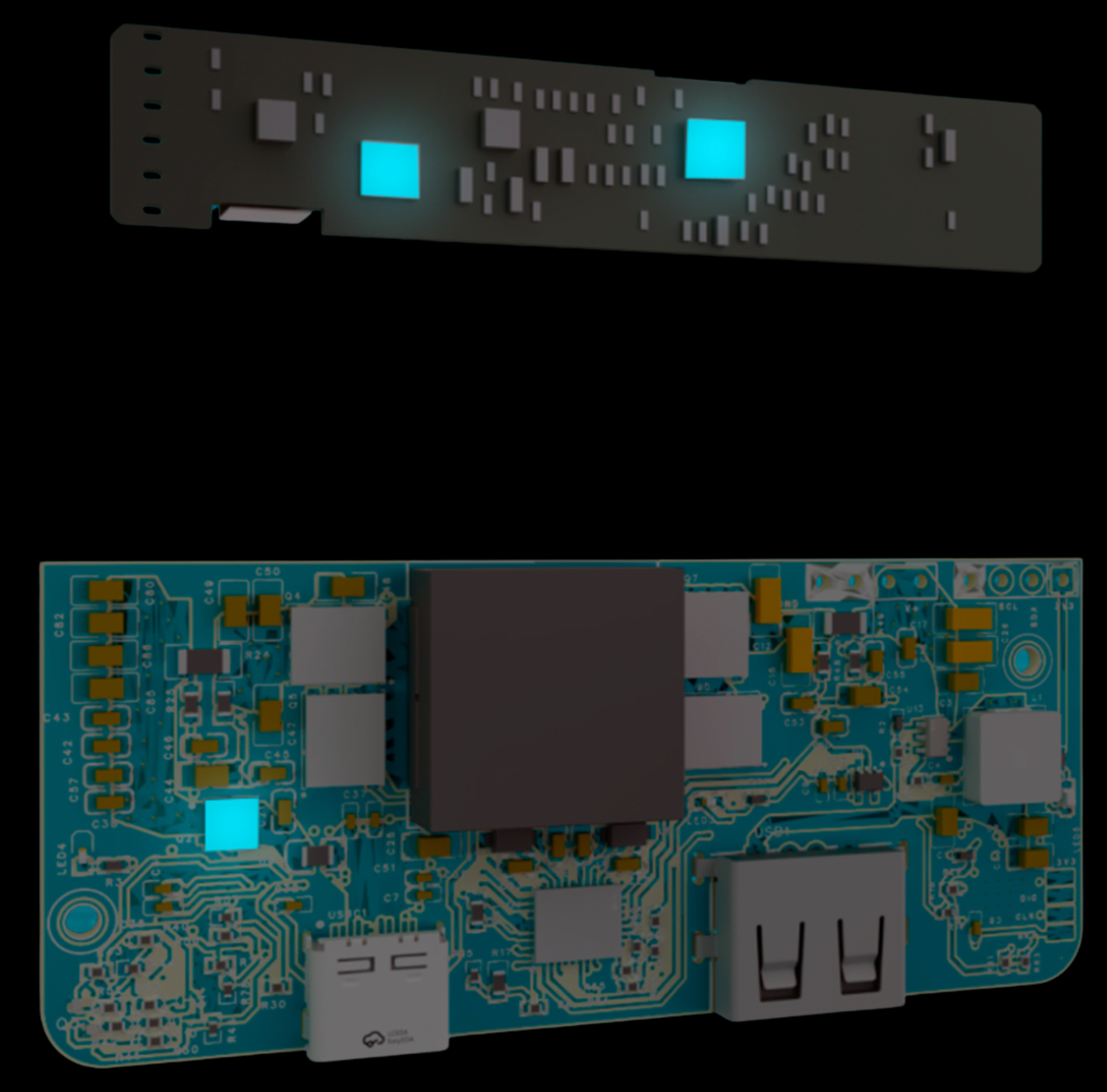
Regulators and major brands now highlight a common checklist of must have protections: overcharge, overdischarge, short circuit and overtemperature protection, plus smart circuitry that cuts power automatically when something looks wrong. Some high end models go further with multi-layer protection systems and multiple circuits that each watch current, voltage and temperature and shut things down at the first sign of trouble.
At the same time, battery researchers are attacking the problem from the inside out. Traditional graphite anodes struggle with fast charging and can contribute to thermal runaway—the chain reaction behind many battery fires.
That’s why there’s growing interest in niobium-based anode materials. Niobium oxides (like niobium tungsten oxide) offer:
Very fast transport for high-power, fast charging
More stable structures that generate less heat
Wider operating temperature ranges and improved safety and durability
Niobate Anode Batteries
Inside Pulsoniq 7 are advanced niobate-anode cells—a next generation chemistry inspired by the same niobium-oxide materials being explored for ultra-fast, high-safety batteries in EVs and grid storage.
This chemistry gives Pulsoniq 7 several safety advantages over conventional graphite-based packs:
More stable under fast charge
Niobate anodes is a higher operating voltage, which makes them much safer and less prone to thermal runaway or dendrite formation compared to traditional lithium-ion chemistries, even under stress.
Less heat buildup
By handling high currents more gracefully, niobate cells generate less internal heat at a given power level, which makes it easier for the rest of the system to stay in a safe temperature window.
Safe in low temperatures
Standard fast-charging cells can behave unpredictably in the cold, where sluggish ion movement increases the risk of plating and damage. Niobium-based anodes are being developed specifically for wider operating temperatures and more stable low temperature behavior, which’s exactly the kind of conditions travellers and commuters often face.
For Pulsoniq 7 users, that translates into a power bank that’s comfortable delivering high power and fast self-charging without skating on the edge of what the cells can safely handle.

3 Independent Safety Circuits
On top of the inherently safer cell, Pulsoniq 7 adds three independent safety circuits that constantly watch over the pack. Think of them as three hardware “guardians,” each focused on a different part of the system:
Input safety circuit: Monitors what’s coming into the power bank while it’s charging itself, watching for over-voltage, over-current and irregular power sources.
Output safety circuit: Guards the ports when you’re charging devices, cutting power if a cable is damaged, a gadget demands too much current or a short circuit is detected.
Battery protection circuit : Sits closest to the cells, tracking their voltage and temperature and shutting everything down if the pack ever approaches unsafe conditions.
Because these circuits are independent, a fault in one part of the system doesn’t leave the rest unprotected. It’s a belt and suspenders approach that matches the kind of multilayer protection being promoted as best practice in modern battery design.
Dedicated Protection with Advanced Safety Features
Pulsoniq 7’s protection suite includes:
Overvoltage Protection: Automatically stops or limits charging when the input or output voltage goes above safe levels, preventing damage to your phone and the powerbank’s battery cells.
Undervoltage Protection: Shuts the powerbank down before the battery is drained too deeply, which helps avoid battery cell damage and extends overall lifespan.
Voltage Equalisation: Continuously balances the voltage between individual battery cells so they charge and discharge evenly, improving safety, capacity, and long-term stability.
Overcurrent Protection: Detects when too much current is being drawn (for example, due to a short circuit or faulty cable) and instantly cuts or limits power to prevent overheating and component failure.
Temperature Protection: Uses built-in sensors to monitor the battery’s temperature and adjusts charging speed or shuts down if it gets too hot or too cold, reducing the risk of swelling or thermal runaway.
Charge Timeout: Stops charging after an abnormal or excessively long charging period, adding a final safety layer in case a device or cable malfunctions and keeps drawing power.